

Mayacamas Winery, Napa Valley
Perched 1,800 feet above Napa Valley on the slopes of Mt. Veeder, Mayacamas stands apart from nearly every winery in the region. With vineyards dating back to 1889, a commitment to mountain-grown wines, and a reputation built over generations, it remains one of California's most respected wine estates.
For kosher wine enthusiasts, Mayacamas occupies an especially rare position. As one of Napa Valley's premier non-mevushal kosher wine producers, it offers collectors and fine wine lovers access to wines that combine world-class pedigree with kosher certification.
Why Mayacamas Matters
Long before mountain-grown Cabernet Sauvignon became fashionable, Mayacamas was proving that altitude, patience, and restraint could produce extraordinary wines.
Located high above the valley floor, the estate benefits from cooler temperatures, rocky soils, and extended growing seasons. The result is a style that favors balance, structure, freshness, and longevity over sheer power.
This commitment to tradition has helped Mayacamas earn a devoted following among collectors seeking authentic Napa Valley wines capable of aging gracefully for decades.
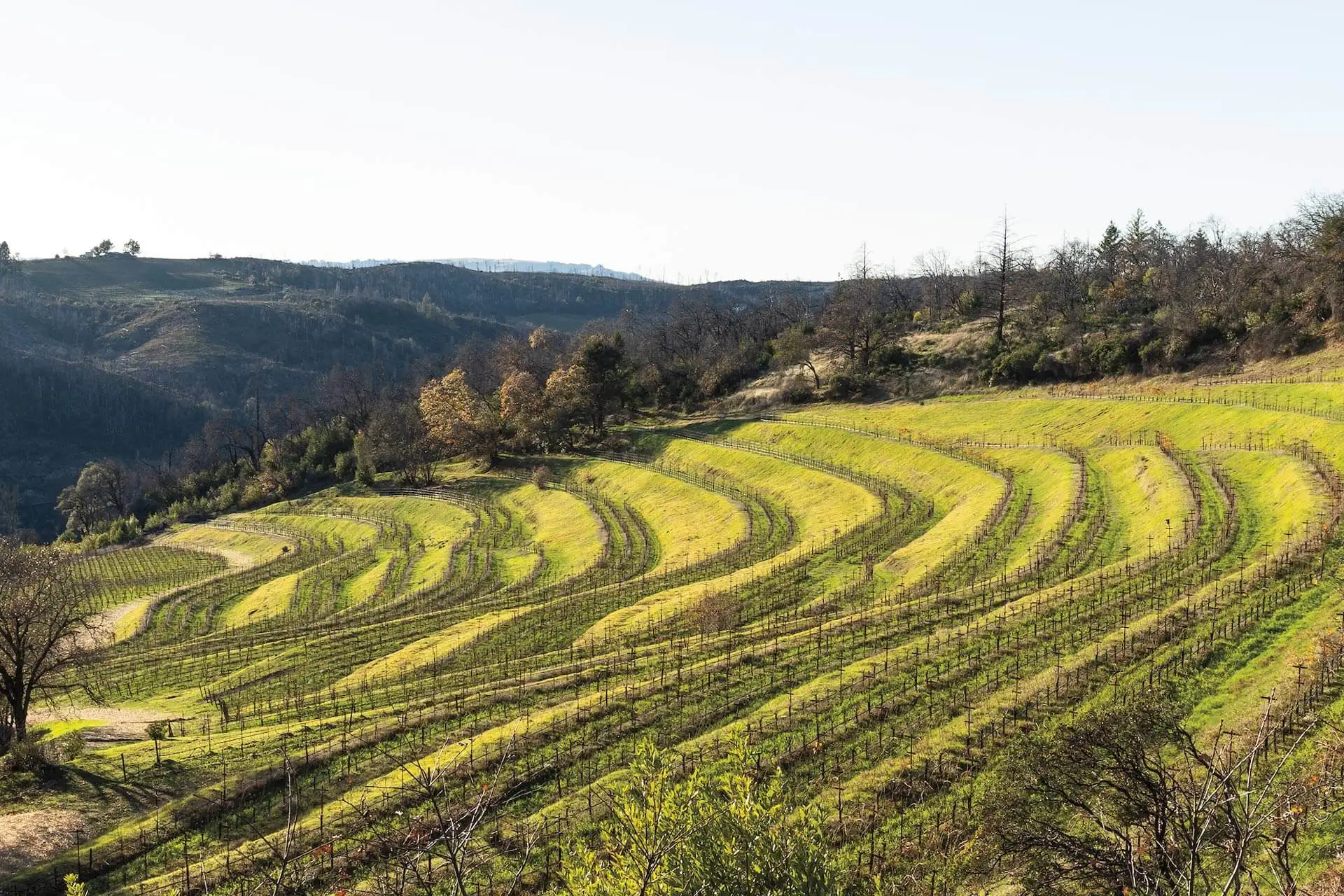
Mayacamas Vineyards
Historic Vineyards, Timeless Wines
The story begins with vines planted in 1889, making Mayacamas one of Napa's oldest continuously farmed vineyard sites.
While much of Napa has evolved toward larger, richer styles, Mayacamas has remained remarkably consistent. The estate's wines are known for their elegance, age-worthiness, and sense of place, qualities that have made them benchmarks of Mt. Veeder winemaking.
A Rare Opportunity for Kosher Wine Collectors
Exceptional kosher wine is increasingly being produced in the world's great wine regions, but few wineries combine history, terroir, and reputation quite like Mayacamas.
For collectors seeking premium kosher Cabernet Sauvignon and mountain-grown Napa Valley wines, Mayacamas represents a unique intersection of craftsmanship, heritage, and rarity.
More than a winery, it is a living piece of Napa Valley history, one bottle at a time.
