
Crush Season Is Coming: What Harvest Looks Like in Napa
There is a smell that arrives in Napa toward the end of August. Ripe fruit. Crushed skins. The faint sweetness of juice beginning its slow turn into something else. That smell means one thing to everyone who works here: harvest has arrived.
The locals call it crush. And crush is less a date on the calendar than a mood that settles over the whole region for a few unforgettable weeks. If you have only seen Napa in the quiet of spring or the polish of a summer tasting room, you have not seen the version of the valley its people love most. Crush is Napa with its sleeves rolled up.
The Year Comes Down to a Few Weeks
Growing wine grapes is an exercise in patience. The vines are pruned in winter, push their shoots in spring, and spend the long warm months slowly ripening fruit. Then, over a few weeks in late summer, everything the vineyard has been building toward comes due at once.
The decision of when to pick is one of the most important a winemaker makes all year. Pick too early and the fruit tastes green. Pick too late and the wine turns heavy. When the call comes, it comes fast. Grapes are often picked in the cool dark of early morning so the fruit arrives before the day's heat. Tanks that sat empty all summer begin to fill, and the whole valley starts to hum with a kind of urgency you can feel in the air.
The Kosher Layer That Makes Napa Special
There is a dimension to crush most people never think about. Harvest lands squarely on top of the Jewish High Holidays. Rosh Hashanah and Yom Kippur fall during the exact weeks the grapes are coming in and the tanks need constant attention.
From the moment the grapes are crushed until the wine is bottled or pasteurized, only Sabbath-observant Jews may handle it. That means the people making kosher wine cannot work on Shabbat or on the holidays, even during the weeks when a single day can change an entire vintage. It is a remarkable balancing act: honoring the fruit, which waits for no one, and the tradition, which asks them to rest even when the work is most intense.
Meet Hagafen Cellars: Where California Kosher Wine Began
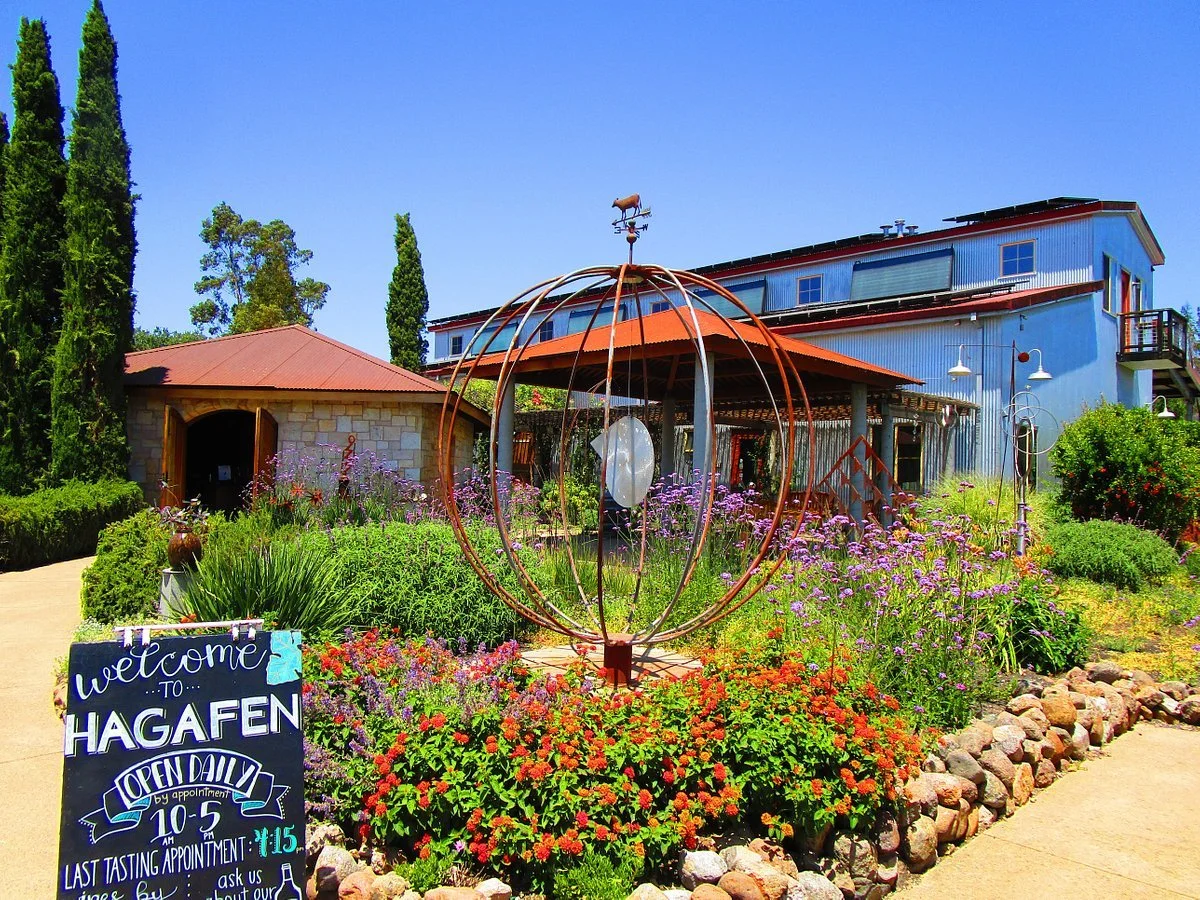
If you want to understand kosher winemaking in Napa, you begin at Hagafen Cellars. It is the winery that started the whole story.
Ernie and Irit Weir founded Hagafen in 1979 and released their first wine, a Riesling, in 1980. They became the first kosher winery in California and, by many accounts, the first of the upscale kosher brands anywhere. Ernie trained in winemaking at UC Davis and set out to prove that kosher wine could stand shoulder to shoulder with the best Napa had to offer.
More than four decades later, the answer is settled. Hagafen produces around eight thousand cases a year, and its wines are called some of the best kosher wines in the world. The tasting room, off the Silverado Trail, carries the warm Mediterranean spirit of Irit's native Tel Aviv, with a range from crisp Sauvignon Blanc and White Riesling to serious Pinot Noir and rich late-harvest dessert wines. Its roots reach back to the origin point of an entire category of wine.
When Crush Happens
Crush is a moving target. The exact timing shifts every year with the weather, usually beginning in late August with the white grapes and stretching into October for the later-ripening reds. For a kosher winery, that window gets threaded around the High Holidays, which makes the planning all the more intricate.
It is the busiest and most consequential stretch of the Napa calendar, the moment a full year of patience finally becomes wine. Crush season is coming, and the valley is about to wake up in the way it only wakes up once a year.
